
Gum Disease Treatment Kingman
Heal Your Gums, Rescue Your Smile
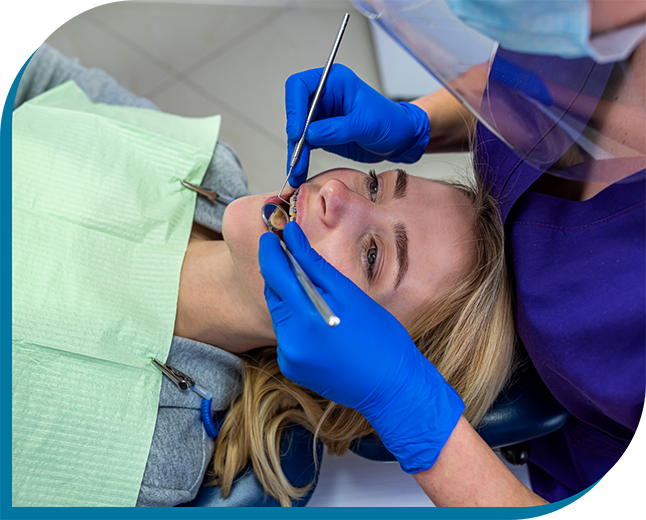
Your teeth need something to protect their roots. This is where your soft oral tissues come into play. If they are inflamed, red, or bleeding, this means a serious problem is forming – gingivitis. That’s why it’s so important to call us right away if these or any other warning signs of trouble arise. That way, we can get your oral health back on track.
Why Choose Riata Dental for Gum Disease Treatment?
- Dental Laser Ensures Precision & Less Recovery Time
- Dentist Trusted by Kingman Since 2002
- Evening Dental Appointments for Added Convenience
What is Gum Disease?

Gum disease is an oral health problem that roughly 50% of adults are struggling with. Without timely treatment to reverse the symptoms, the infection can spread, potentially affecting your overall health by entering the bloodstream. So, for the sake of your oral and overall health, you need to come to our office for an exam. Then, we can determine if you’d benefit from gum disease treatment in Kingman.
Symptoms of Gum Disease
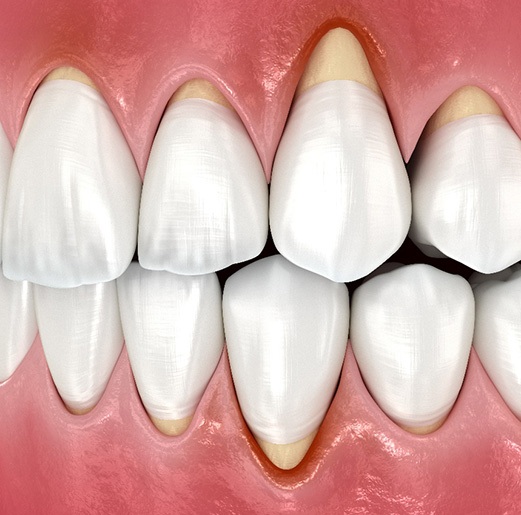
The early stages of gum disease are usually accompanied by red, swollen, or bleeding gums. However, we also recommend contacting us if you notice other warning signs of trouble, including:
- Chronic bad breath
- Teeth that appear longer than normal (gum recession)
- Loose teeth
- Pain when biting down
- A change to your bite
How Do We Treat Gum Disease?

At Riata Dental, we offer four different solutions. During your consultation, we will discuss each one in-depth and answer any questions you have so you can confidently decide which option is best. In the meantime, you can read on to learn a little more about them.
Scaling & Root Planing
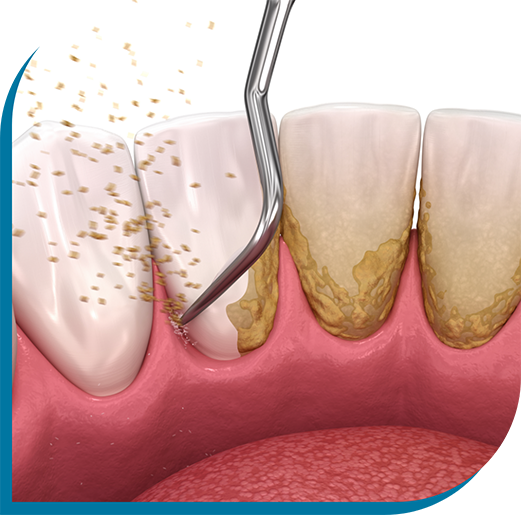
The two-part process known as scaling and root planing is effective when addressing the early stages of gum disease. The removal of accumulated plaque and tartar, as well as the smoothing and reshaping of your tooth roots, removes the source of infection, minimizes the potential for reinfection, and encourages the gums to heal and firmly reattach to your teeth.
Antibiotic Treatment
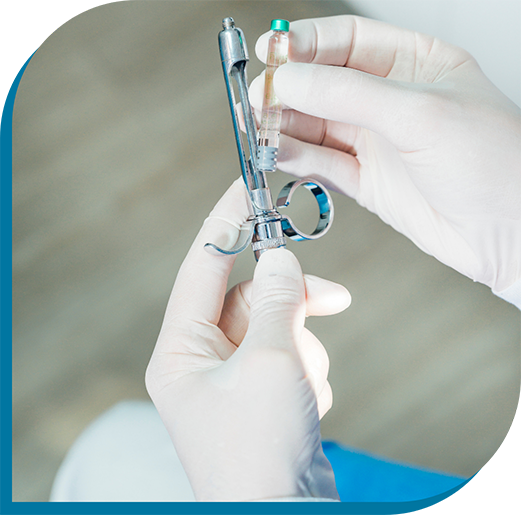
Addressing gum disease often requires more than deep cleaning. We often pair it with antibiotic treatment because of its ability to reach the smallest areas of your mouth and effectively eliminate bad bacteria. The medication disperses over two weeks to thoroughly rid the tissues of any harmful particles that may be left behind.
Laser Periodontal Treatment
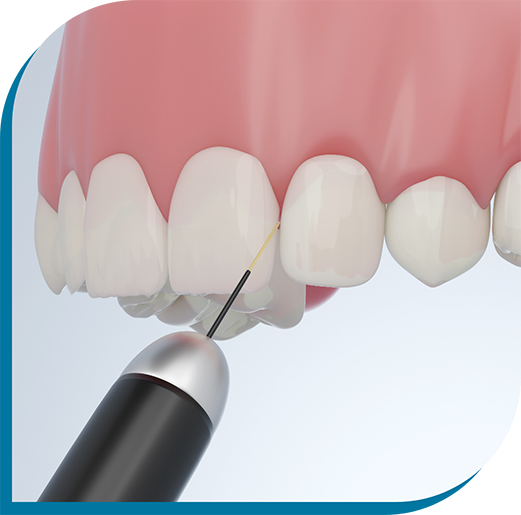
Targeting diseased tissues to remove bacteria and encourage gum healing is the goal of laser periodontal (gum) treatment. The soft tissue laser efficiently removes the buildup responsible for the infection and inflammation while leaving all healthy portions of your mouth untouched. It’s gentle, and there’s almost no bleeding and swelling, which means you’ll enjoy a faster recovery at home.
PerioProtect

PerioProtect is a revolutionary way to treat gum disease in the comfort of your home. Using custom impressions of your mouth, we’ll have trays crafted for you to use along with prescription medication. When worn for a few minutes each day, the medicine will disperse to the infection site and reach bacteria in areas that flossing, brushing, and rinsing cannot.
Gum Disease Treatment FAQs
How common is gum disease?
Gum disease is one of the most common health problems in the world. The Centers for Disease Control estimates that about 40% of American adults 30 years and older have some type of gum disease and about 60% of seniors have an advanced form of gum disease called periodontitis. You may be more likely to develop gum disease if you are male or a smoker, practice inadequate oral hygiene, or have health conditions like diabetes or poor nutrition.
Does gum disease go away on its own?
Gingivitis, the first stage of gum disease, is inflammation that can usually be reversed if the patient improves their oral hygiene routine, and it’s much easier to detect and address the issue if you keep up with regular checkups and cleanings at our Kingman office. However, the advanced stage of gum disease called periodontitis causes permanent damage like gum recession and jawbone erosion and must be maintained with regular periodontal treatments at our office. If you are especially prone to gum disease due to genetic conditions, you may require a more intensive oral care regimen to keep your teeth and soft tissues in good shape.
Is gum disease a dental emergency?
Gum disease can lead to severe oral and overall health issues if left untreated, so it is important to have the issue addressed appropriately as soon as possible. Ideally, the problem will be detected while it is still in the early stage of gingivitis, which can usually be reversed with improved oral hygiene and eating habits. However, neglecting to treat gingivitis will eventually allow it to develop into periodontitis, which causes serious oral and overall health problems like gum recession, jawbone erosion, tooth loss, and dangerous secondary infections like sepsis.
Are there any risk factors associated with gum disease?
Many factors can increase your risk of gum disease, but a few of the most significant ones are:
- Age: Older people may be more likely to develop gum disease due to oral hygiene becoming more difficult or the accumulated effects of years of poor habits like smoking and excessive alcohol intake.
- Tobacco use: Whether chewed, smoked, or vaped, tobacco exposes your gums to harsh chemicals that impede their ability to heal and fight infection.
- Genetics: You may be more likely to develop gum disease if your parents were especially prone to the problem.
- Stress: Too much psychological or physical strain can increase inflammation in your gums and other areas of your body.
- Pregnancy: The stress and hormonal changes that come with pregnancy can increase inflammation throughout your body.
- Medical conditions: Endocrine issues like diabetes can make oral inflammation more likely.
- Certain medications: Some oral contraceptives, anti-depressants, and heart medicines can increase the risk of gum disease.